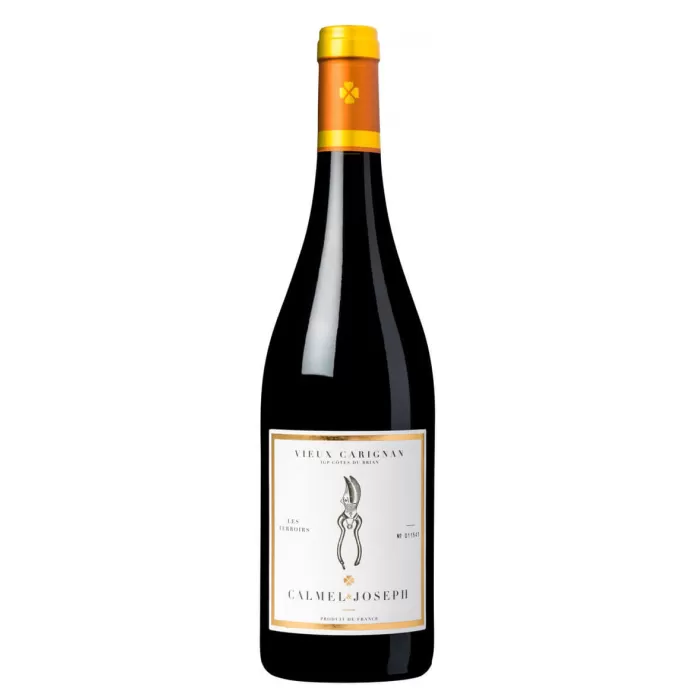
Calmel & Joseph Vieux Carignan Cotes du Brian
75cl
/
14.5% Vol
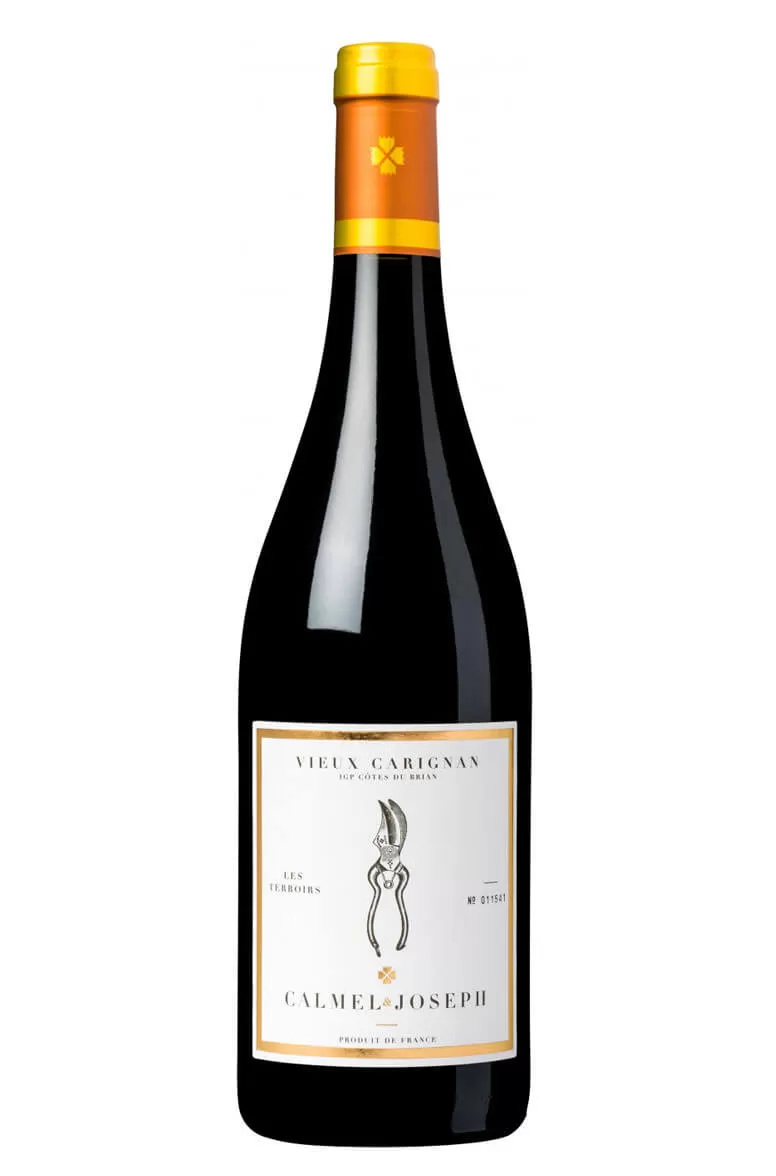
Often an underestimated grape variety, this Carignan is one of our favourites, with silky tannins and lovely creamy character. 100% Carignan from very old vines (the vineyard was planted in 1890) which gives great intensity of fruit! The wine is left on its lees for 28 days and aged in cement tanks.
See product details
Calmel & Joseph Vieux Carignan Cotes du Brian
€17.00
Ex Tax: €13.82
All online sales are securely processed and can be made by either Visa or Mastercard. You can choose to pay in Euro, US Dollars or British Pounds.

Product Details
Fact Sheet
Fluid
75cl
Grape Variety
100% Carignan
Alcohol %
14.5%
Estate/Producer
Calmel and Joseph
Region/AOC
Languedoc
Vintage
2019
Making Techniques
Grapes are hand-harvested. Fermentation lasts 10 days, and total vatting is 28 days. 18 months ageing in tanks.
Food Matching
Food Matching
Cassoulet
Awards and/or Press Quotes
Jancis Robinson
16.5/20. 2016 - ‘Ruby, quite translucent. Pretty light on the nose, just a little meaty, a hint of herbs. Tart but juicy cranberry and pomegranate fruit, entwined with spices, but the rockbed of this wine is its firm meaty/ gamey character. Good sturdy tannins. I can almost taste those gnarly old Carignan vine trunks! Rugged but far from being a peasant wine.’ Drink now-2020.
FAQs
Dark chocolate pairs best with wines that have the structural intensity to match its bitter cocoa and tannin character without being overwhelmed. Fortified wines are the strongest match: aged Tawny Port with its dried fig, rancio, and roasted nut character is the classic pairing. Banyuls from the Roussillon, a naturally sweet Grenache based wine, is the benchmark French equivalent. A full bodied, fruit forward red such as Zinfandel or Amarone can also work, where the ripe dark fruit and spice complement the chocolate.
Many wines use animal derived fining agents during production to clarify and stabilise the liquid before bottling. Common fining agents include isinglass (derived from fish swim bladders), gelatine (bovine or porcine), casein (milk protein), and egg whites (albumin). These are added to bind suspended particles and removed before bottling, but trace quantities may remain. Vegan wines use alternatives including bentonite clay, activated carbon, or pea protein. Checking the Barnivore database or looking for a vegan certification on the label is the most reliable approach.
Customer Reviews
Customer Reviews
-700x700h.webp "Le Pic Calmel and Joseph Pic St Loup")
-700x700h.webp "Flying Tumbler The Bird")
-700x700h.webp "Bertha's Revenge Crab Apple Gin 50cl")